
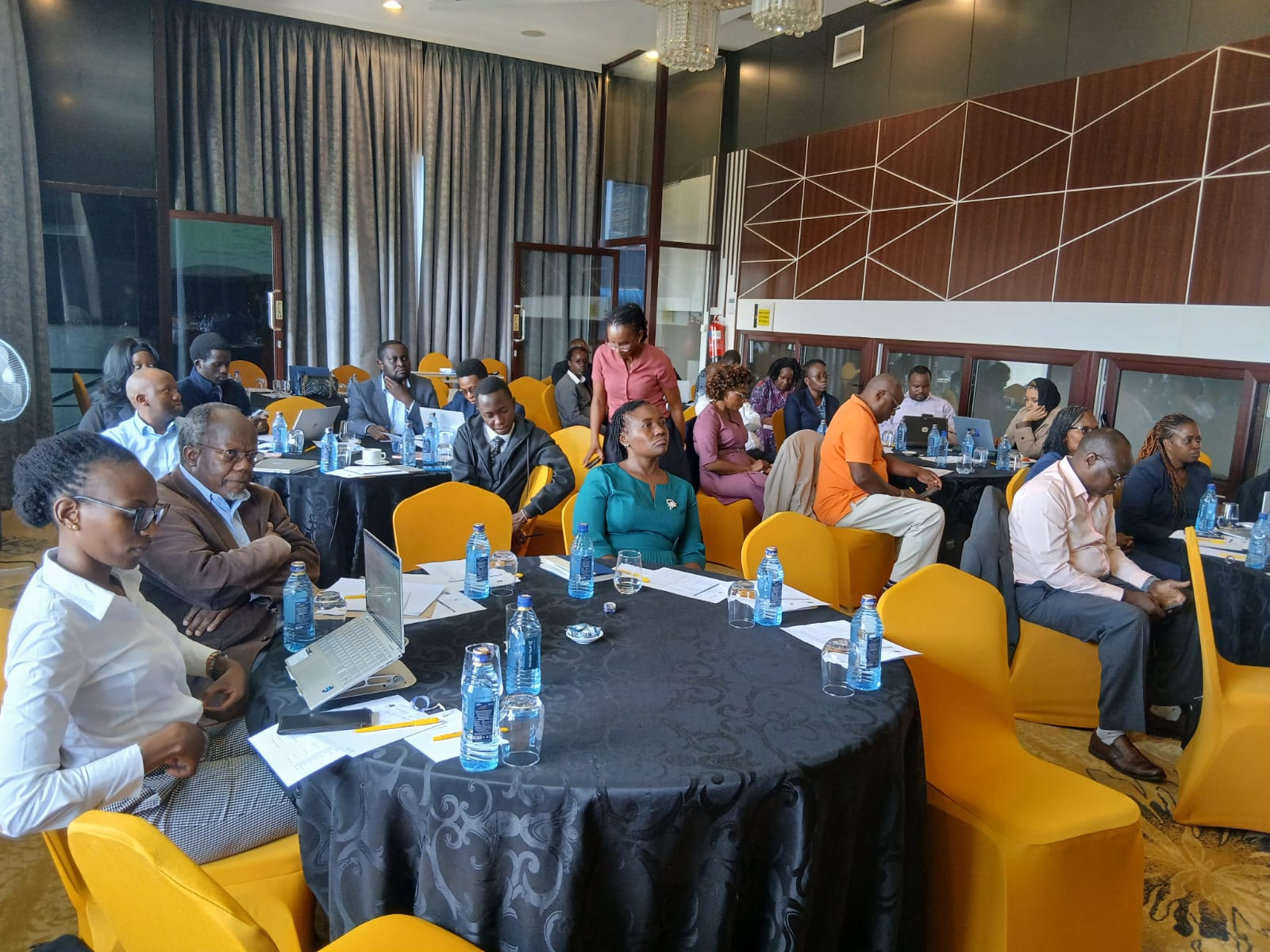
The University of Nairobi Faculty of Law convened a Curriculum Validation Workshop on Thursday, May 14, 2026, in, Nairobi. The gathering brought together judges, regulators, practitioners, development partners, scholars, and students to validate a restructured Bachelor of Laws (LL.B) programme; the product of nearly a year of consultations, retreats, and stakeholder engagements.
Acting Deputy Vice Chancellor for Academic Affairs Prof. Ayub Gitau opened proceedings with a clear message: the University's obligation goes beyond producing graduates who can pass examinations or gain admission to the bar. What is needed, he said, are lawyers of integrity, intellectual rigor, courage, and genuine commitment to constitutionalism and the rule of law.
Dean of the Faculty Prof. Winifred Kamau, who steered the review process, described it as deliberate, reflective, and deeply consultative drawing in faculty, alumni, practitioners, and broader stakeholders. She was unequivocal: this is not a regulatory exercise. It is an institutional responsibility to ensure that graduates remain equipped for a legal environment that keeps shifting in ways no single discipline can fully address.
Prof. Nkatha Kabiria outlined the curriculum's defining shift; away from purely doctrinal training toward transdisciplinary, competency-based learning that integrates economics, sociology, governance, technology, and environmental studies. The previous structure, she noted, left little room for these fields. The revised framework also embraces Africanization and decolonization as deliberate intellectual commitments.
The new curriculum introduces courses in Artificial Intelligence Law and Policy, Digital Governance and Platform Regulation, Cybersecurity Law, Financial Technology Regulation, and Lawyering in the Digital Age. Teaching will incorporate clinical legal education, simulations, moot courts, and problem-based learning. Students will pursue specialization pathways in Financial and Commercial Law, Human Rights and Governance, Environmental and Climate Law, International Law, and Science, Technology and Innovation Law.
Discussions on access to justice were pointed. Participants acknowledged that cost, procedural complexity, language, and geography continue to shut many Kenyans out of the legal system and that law schools bear some responsibility for changing that. Calls were made for stronger emphasis on legal aid, community lawyering, ethics, and alternative dispute resolution.
The workshop also addressed Kenya's forthcoming transition to Competency-Based Education and Training, with the first CBET cohort expected to enter higher education in 2029. Stakeholders agreed that legal training must be realigned well ahead of that shift.
The Faculty acknowledged the support of the Food and Agriculture Organization of the United Nations, whose land governance research partnership helped fund the review process.

